Source Cheese Board Racks and Trays for Kitchens
Source 30 cheese board options including bamboo racks and wooden trays. Compare features like antibacterial properties, FDA certification, and double-sided designs for versatile kitchen use. These products offer eco-friendly materials and various shapes such as square and round styles. Buyers can evaluate thickness, customization availability, and export standards to find suitable suppliers for bulk orders.
Key considerations
Products List


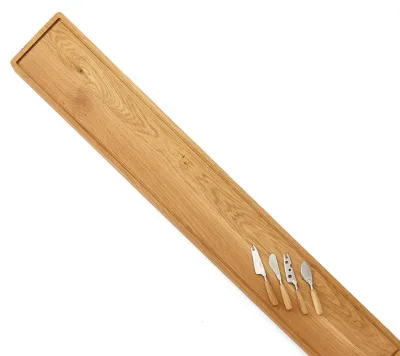


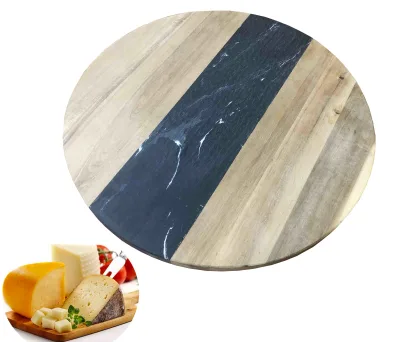
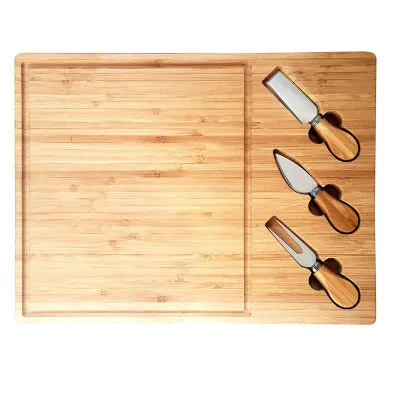
$4.58 - $4.70
Moq: 2000


Comprehensive Sourcing Guide
Cheese Board Sourcing Guide
Product Scope and Observed Listing Signals
The current market landscape for cheese boards reveals a diverse array of product types, ranging from traditional chopping boards to specialized cheese trays and knife sets. Buyers will encounter listings that emphasize specific functions such as anti-friction, anti-skidding, and antibacterial properties, which are critical for food safety and user experience. The observed product count indicates a robust supply base, with manufacturers offering both square and round shapes to suit different aesthetic and functional preferences. This variety allows procurement teams to select items that align with their brand’s visual identity while meeting practical kitchen requirements.
Material composition is a primary differentiator, with bamboo and wood being the most prevalent options in the current listings. These natural materials are often marketed as eco-friendly and sustainable, appealing to environmentally conscious consumers. The listings also highlight customization availability, including logo printing via silkscreen and OEM services, which are essential for private label development. Additionally, features like double-sided designs and flexible structures suggest a focus on durability and multi-purpose utility, providing buyers with versatile solutions for retail distribution.
Technical Specifications to Verify
When evaluating technical specifications, buyers must closely examine the physical dimensions and structural integrity of the cheese boards. The observed data includes models with specific size classifications such as medium and large, as well as common dimensions like 0.61411 inches. It is crucial to verify the thickness of the boards, with some listings noting thickening features that enhance durability and prevent warping. Understanding these dimensional variances helps in selecting products that fit specific packaging constraints and retail display requirements, ensuring that the final product meets the expected quality standards for longevity and usability.
Shape and design attributes also play a significant role in the technical evaluation. Products are available in square and round configurations, with some featuring double-sided designs for increased utility. The inclusion of specific cheese knife types, such as flat knives or knives with teeth, indicates that many listings offer complete sets rather than standalone boards. Buyers should confirm whether the knives are included in the set and verify the material compatibility between the board and the cutlery. This attention to detail ensures that the product functions as a cohesive unit, reducing the risk of damage to the board surface during use.
Compliance and Safety Documentation
Compliance with international food safety standards is non-negotiable for cheese board procurement. The observed listings frequently cite certifications such as FDA, LFGB, and SGS, which are critical for accessing major markets like the United States and Europe. Buyers must request valid certification documents to verify that the materials used, particularly bamboo and wood, are free from harmful chemicals and safe for direct food contact. These certifications provide assurance that the products meet rigorous safety thresholds, protecting both the brand’s reputation and the end consumer’s health.
In addition to product-specific certifications, buyers should verify the manufacturing standards and quality control processes employed by suppliers. The listings mention standards such as CE and Grade A quality, along with 100% export standard practices. It is essential to confirm that these standards are actively enforced through regular audits and testing. Documentation should include test reports for heavy metals, formaldehyde emissions, and microbial safety, ensuring that the products comply with all relevant regulatory requirements. This due diligence minimizes the risk of regulatory non-compliance and potential product recalls.
Cost Drivers and Commercial Terms
Cost structures for cheese boards are influenced by material quality, customization levels, and order volume. The observed price range of 1-16.8 USD reflects significant variation based on product complexity and included accessories. Buyers should analyze the cost breakdown to understand how factors like bamboo versus wood, thickening features, and the inclusion of cheese knives impact the final price. Understanding these drivers allows for more accurate budgeting and negotiation, ensuring that the procurement strategy aligns with the target retail price points and margin expectations.
Commercial terms, including minimum order quantities (MOQ) and lead times, are critical for supply chain planning. The observed MOQ range of 10-2000 units offers flexibility for both small-scale testing and large-volume production runs. Lead times are typically reported as 15-35 days after order confirmation, which buyers must factor into their inventory management strategies. It is advisable to negotiate clear terms regarding packaging, such as export standard cartons or individual boxes, to ensure that products arrive in optimal condition. Transparent communication about these terms helps prevent unexpected costs and delays.
Supplier Qualification and Quality Control
Supplier qualification begins with verifying the origin and manufacturing capabilities of the providers. The observed data indicates that many suppliers are located in Zhejiang Ningbo, China, a region known for its robust manufacturing infrastructure. Buyers should assess the supplier’s production capacity, quality control systems, and ability to handle OEM requests. Requesting samples is a crucial step to evaluate the physical quality, finish, and functionality of the cheese boards before committing to large orders. This hands-on verification helps identify potential issues with material consistency or craftsmanship.
Quality control processes should be clearly defined and agreed upon before production begins. Buyers must establish acceptance criteria for defects, such as cracks, splinters, or uneven surfaces, and determine the allowable defect rate. It is also important to verify the supplier’s ability to maintain consistent quality across batches, especially when customization is involved. Implementing pre-shipment inspections can help catch any deviations from the agreed specifications. By prioritizing suppliers with strong quality control records, buyers can ensure that the products meet their brand’s standards and customer expectations.
Long-Term Procurement Checks
Long-term procurement success depends on establishing a reliable and responsive supply chain. Buyers should regularly review supplier performance metrics, including on-time delivery rates, product quality consistency, and responsiveness to issues. Building a relationship with a few trusted suppliers can lead to better pricing, priority production slots, and improved communication. It is also advisable to diversify the supplier base to mitigate risks associated with supply disruptions or geopolitical factors. This strategic approach ensures continuity of supply and maintains competitive advantage in the market.
Continuous monitoring of market trends and consumer preferences is essential for staying relevant. As sustainability becomes increasingly important, buyers should stay informed about new eco-friendly materials and production methods. Regularly updating product specifications to include features like antibacterial properties or eco-friendly certifications can enhance market appeal. Additionally, staying compliant with evolving international regulations ensures that products remain eligible for sale in key markets. By proactively adapting to these changes, buyers can secure long-term growth and customer loyalty in the competitive cheese board sector.
FAQs
What certifications do the cheese boards have?
The cheese boards hold FDA, LFGB, and SGS certifications to ensure safety and quality. Some models also meet CE standards and GRADE A requirements. These certifications verify that the products comply with international food safety regulations for export markets.
Can I customize the logo on the boards?
Yes, customization is available for logo printing using silkscreen techniques. Buyers can request specific branding on the natural or carbonized bamboo and wood surfaces. This service allows for unique product identification while maintaining the eco-friendly design features.
What is the typical lead time for orders?
The delivery detail specifies a lead time of 15 to 35 days after order confirmation. This timeframe applies to standard export standard cartons or boxes. Buyers should plan their inventory accordingly to ensure timely receipt of the stocked or custom items.
Which materials are used for the chopping boards?
The products are crafted from bamboo and wood materials. They feature thickening designs and come in square or round shapes. The natural or carbonized colors provide an eco-friendly aesthetic suitable for various kitchen and serving applications.
What is the minimum order quantity for these items?
The minimum order quantity ranges from 10 to 2000 units depending on the specific model. Buyers can find options suitable for small trials or large bulk purchases. The flexible MOQ allows for diverse sourcing strategies across different product lines.
Are the cheese boards suitable for universal use?
Yes, the boards are designed for universal usage including fruits and vegetables chopping. They feature anti-friction and antibacterial properties for safe food preparation. The simple style and double-sided designs make them versatile for various culinary tasks.